Charge capture in healthcare is the process of documenting and translating patient services into billable claims. When done accurately, it reduces denials, prevents missed revenue, and strengthens revenue cycle management (RCM) performance across medical practices.
Insights That Drive Smarter Healthcare Decisions
Stay ahead with expert perspectives, industry news, and quick briefs that keep your team informed and empowered. From compliance updates to revenue strategies, our insights help you navigate healthcare with clarity.
Understanding RCM Analytics Dashboards: 5 KPIs Every Practice Should Track
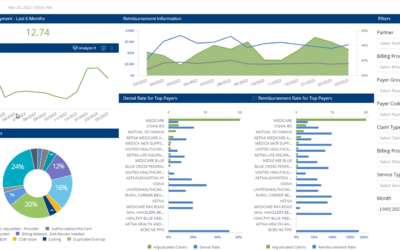
An RCM analytics dashboard transforms raw billing data into actionable insight for healthcare practices. By tracking key metrics like denial rate, charge lag, clean claim rate, days in A/R, and net collection rate, administrators can identify revenue leaks, improve claim turnaround, and strengthen overall financial performance.
Understanding RCM Dashboards: The Ultimate Guide for Healthcare Leaders
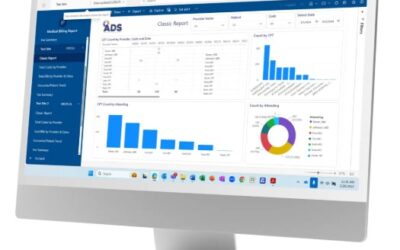
An RCM dashboard is more than a report, it’s a real-time financial command center for healthcare leaders. By consolidating key revenue cycle KPIs such as Accounts Receivable (AR) Days, Denial Rate in healthcare, Clean Claim Rate healthcare, Net Collection Rate (NCR), and Provider Productivity Metrics, an RCM analytics dashboard replaces static spreadsheets with actionable insights.
Medical Credentialing and Billing Services: Why Integration Strengthens Revenue Cycle Management (RCM)
Medical credentialing and billing services belong together in healthcare revenue cycle management. Credentialing starts the billing process, so separating them creates missed deadlines, denials, and lost revenue.
From Legacy to Leading: The Shift in RCM
The rules of healthcare finance are changing—and fast. Legacy revenue cycle management (RCM) systems, once considered the backbone of billing operations, are now holding providers back.
AI-Driven Insurance Denials: What Providers Need to Know
Insurers are using AI to deny claims—quickly and often inaccurately. Understanding the risks helps protect your revenue.